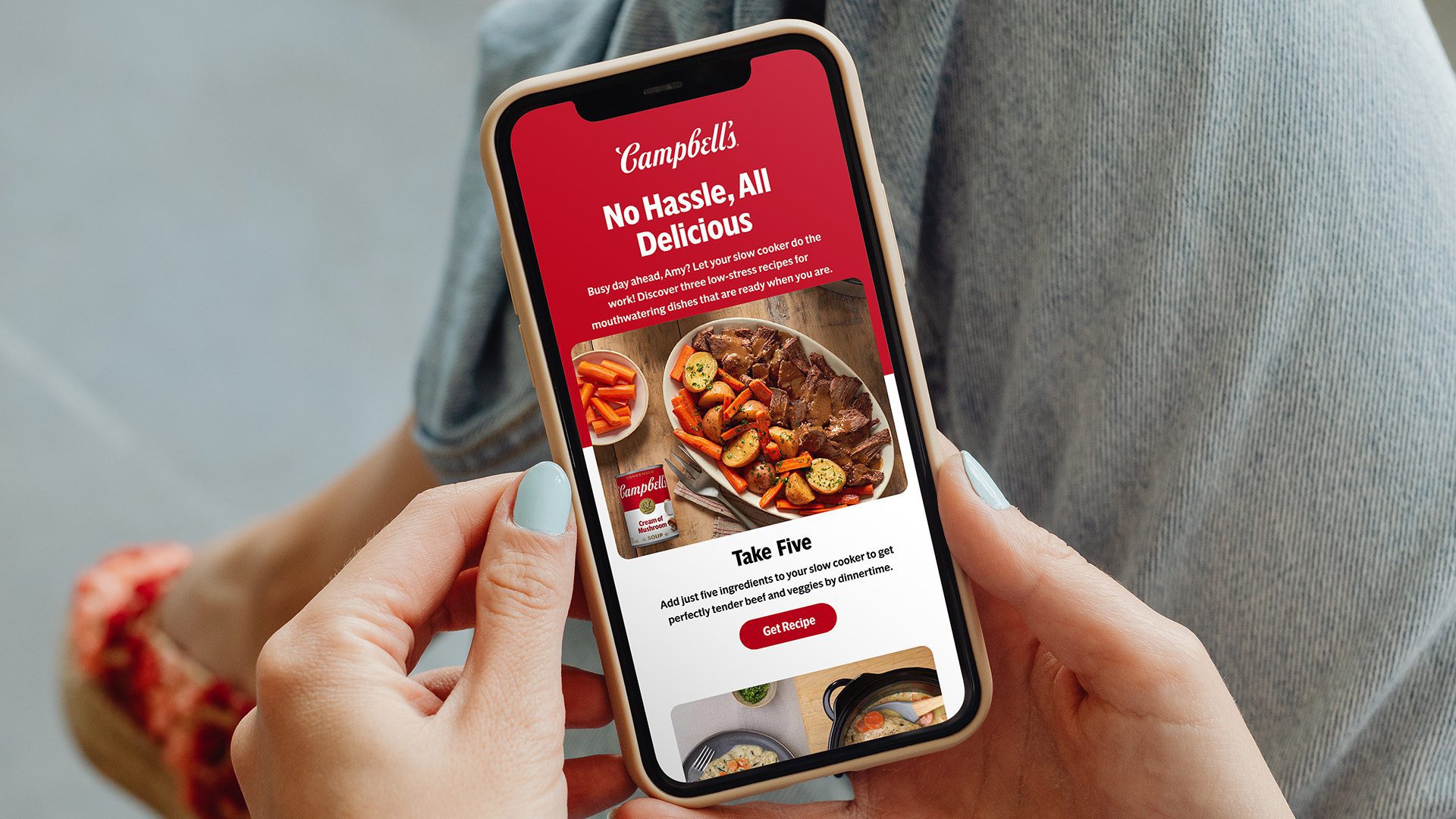
Gone are the days when personalization in digital marketing simply meant using a first name in a subject line. Today, it’s all about tailoring messaging, content and experiences based on user behavior, intent and lifecycle stage. And when done well, it improves conversion rates, strengthens the customer journey and increases ROI.
In competitive industries like hospitality, tourism, retail and foodservice, relevance directly impacts engagement and revenue. A strong digital marketing strategy now depends on personalization.
Why Is Personalization Important in Digital Marketing?
Consumers expect brands to understand their needs. According to McKinsey, 71% of customers expect personalized interactions, and 76% feel frustrated when those experiences don’t happen.
That expectation affects every stage of the customer journey, including:
- A first visit to your website
- An email marketing follow-up
- A retargeting ad in paid media
- Ongoing content marketing engagement
When messaging aligns with user intent, performance improves. When it doesn’t, users disengage. Lower engagement affects click-through rates, time on site and, ultimately, SEO performance.
How Does Personalization Improve Conversion Rates?
Personalization works because it reduces friction. When a website brings forward relevant content based on behavior, users find what they need faster. When email marketing reflects lifecycle stage, open and click rates increase. When paid media creative aligns with segmented audiences and dedicated landing pages, acquisition costs become more efficient.
Targeted promotions are one of the top reasons customers make purchasing decisions. That alignment between intent and messaging can drive higher conversion rates, stronger retention, increased lifetime value and more efficient media spend. For tourism, hospitality and foodservice brands, these gains translate directly into bookings, inquiries and sales.
What Does Personalization in Digital Marketing Actually Look Like?
Personalization goes beyond inserting a first name into an email. In practice, it can include a number of tactics based on your strategy and channels used.
- Website personalization: Dynamic content based on location, referral source, device type or browsing behavior to improve UX and guide next steps.
- Email marketing personalization: Triggered communications, segmented campaigns and lifecycle messaging tied to meaningful actions.
- Paid media personalization: Audience-specific creative and landing page alignment that improves quality scores and return on ad spend.
- Content marketing personalization: Delivering resources that match search intent and stage in the buyer journey, supporting both engagement and SEO performance.
The key is integration. Website experience, CRM strategy, paid media and analytics should work together as part of one connected digital marketing ecosystem.
Why Do Brands Struggle With Personalization?
With so many avenues for personalization, it can seem like an overwhelming undertaking. But the solution isn’t to personalize everything immediately. It’s to start with high-value audience segments, map the customer journey and align messaging across website, email marketing, and paid media.
The key to it all is ensuring relevance. More than 80% of consumers ignore irrelevant marketing messages. Without a strategy grounded in audience segmentation and intent mapping, personalization can miss the mark.
Why Is Personalization a Competitive Advantage?
In the hospitality, tourism, CPG and foodservice industries, personalization improves everything from website performance and email engagement to paid media efficiency and overall conversion rates.
At Marriner Marketing, we build integrated digital marketing strategies that connect personalization, SEO, email marketing, paid media and website performance into one cohesive system. Because personalization isn’t a tactic layered on top—it’s a growth driver built into the foundation. Connect with us to start identifying meaningful ways to make personalization work for your brand.
Sources:
“What Is Personalization?” McKinsey & Company, May 2023.
“New Global Study Reveals Consumers Demand More Personalization in Marketing…” Attentive, April 2025.