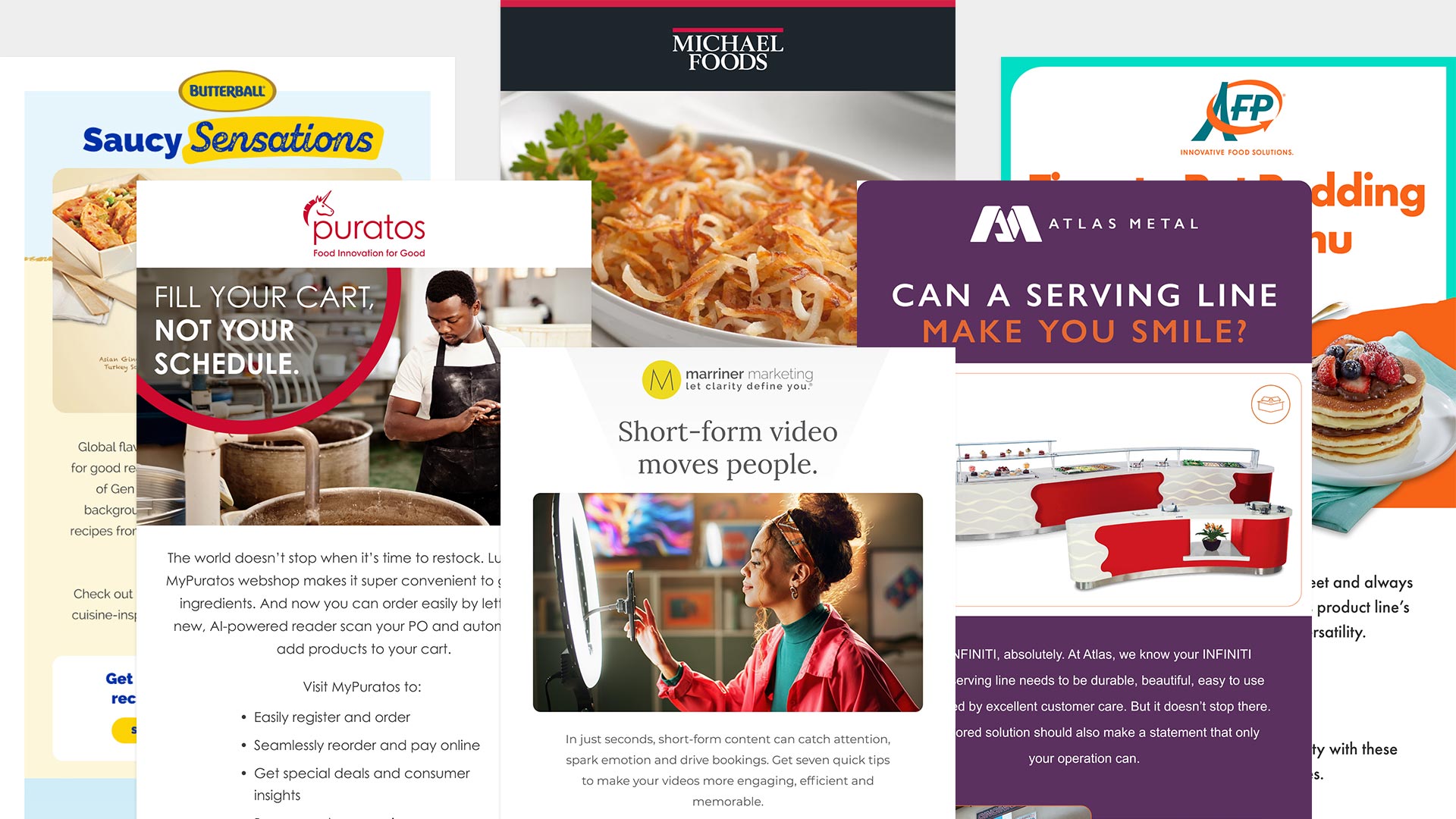
Email marketing remains one of the highest-ROI channels available to brands. According to Litmus, 35% of companies see a return of $10–$36 for every $1 spent on email.
But strong ROI doesn’t come from sending more email. It comes from sending better email. The most important question in email marketing today doesn’t involve time of day, calls to action or subject lines. It all comes down to purpose.
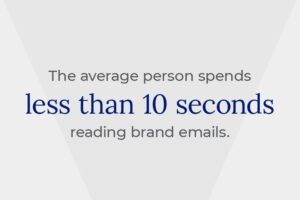
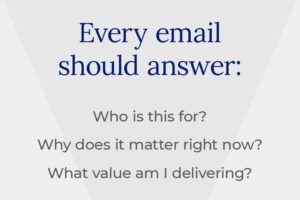
Are you emailing because your content calendar says it’s time for another send, or are you emailing because you have something valuable to say? With customer attention spans shrinking year over year, it’s never been more important for every email to earn its place.
Modern Email Marketing Must-Haves
Email is a powerful tool, but only when it’s used intentionally. This guide outlines modern email marketing best practices that help brands move from box-checking sends to meaningful communication.
Understand the channel.
Email is different from social or paid media. Your brand has complete control over the timing, message and relationship. Every email can be laser-focused on the audience’s specific needs, prompting them to take action—whether it’s visiting a site, making a purchase or simply being aware of your brand.
Tip: Treat email as a relationship channel, not a broadcast channel. If the message wouldn’t make sense in a personal conversation, it probably doesn’t belong in the inbox.
Relevance beats frequency.
Regular email engagement fosters brand loyalty and encourages word-of-mouth referrals. But that doesn’t mean it’s acceptable to flood inboxes with generic content. Brands that send fewer, more relevant emails often outperform high-frequency sends.
Additionally, personalization has become table stakes:
- 76% of customers expect personalized attention from brands.
- 83% willingly share data in exchange for a more personalized experience.
- 80% are more likely to buy from brands that give them personalized experiences.
Tip: Email allows you to reach your subscribers directly with relevant offers or updates, without delays or feed issues. Don’t miss an opportunity to personalize your message, making it more relevant for your recipient.
Design emails for the people you’re sending them to.
Usability should be top of mind. Even the most compelling, personalized message fails if it’s hard to read or interact with. Your email design, overall accessibility and device behavior are all crucial factors in the success of a send.
Tip: Keep these considerations top of mind with every email you create:
- Mobile-first is non-negotiable (most emails are opened on mobile).
- Use single-column layouts, readable font sizes and clear visual hierarchy.
- Account for dark mode preferences (color contrast, image handling, background choices).
- Prioritize live text over image-only copy.
- Ensure sufficient color contrast, descriptive links and accessible CTAs.
- Accessibility isn’t just a compliance checkbox—it’s better user experience for everyone.
Intentional Emails Win in the Inbox
Brands that approach email with purpose earn attention instead of demanding it, build trust instead of fatigue and create engagement that lasts beyond the click.
At Marriner, we help brands align email with broader digital and integrated marketing strategies to make sure every send is one that supports your goals. If you’re ready to move from inbox noise to meaningful impact, let’s talk.
Sources:
“The ROI of Email Marketing,” Litmus, July 2025.
“Average Time People Spend Reading Brand Emails From 2011 to 2021,” Statista, December 2025.
“The Big, Burning Questions About Frequency Management—Answered,” Motiva AI, September 2025.
“Your Guide for Personalized Email: Strategies, Tactics, Tools,” Litmus.