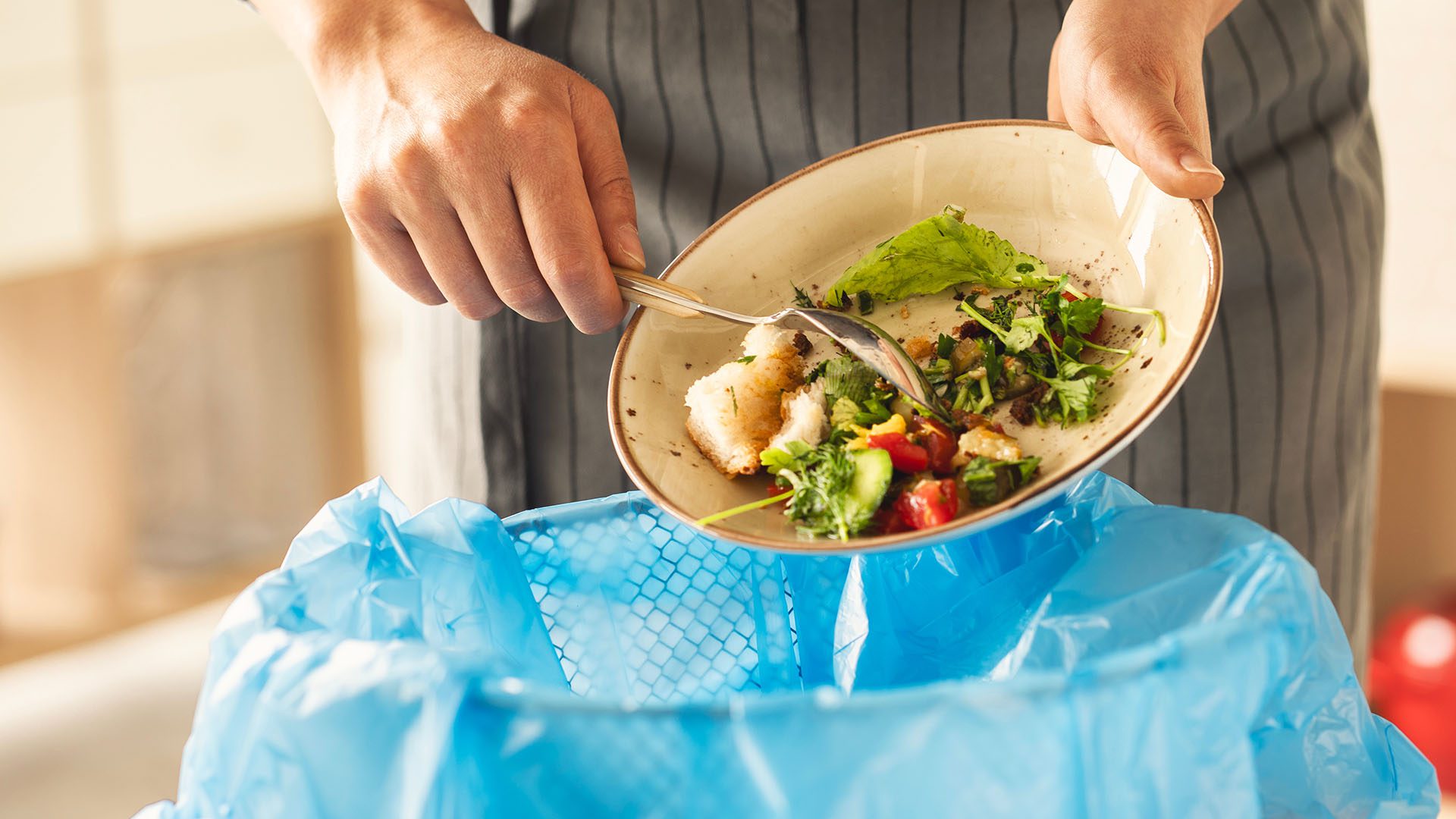
The short answer: GLP-1 medications are reducing appetite, shifting food preferences and lowering overall consumption—creating major changes for marketers as well as foodservice, CPG and restaurant brands in 2026.
What Are GLP-1 Drugs?
GLP-1 medications like Ozempic and Wegovy have been reshaping how Americans eat. These drugs work by mimicking a naturally occurring gut hormone (GLP-1) that slows digestion and keeps users feeling full longer. This results in people eating less and reaching for different types of foods.
8–10% of adults currently take a GLP-1, and another 30–35% say they’re interested in doing so.
Prescriptions for non-diabetic patients surged by 700% between 2019 and 2023, with demand increasing across the U.S. For food, beverage and restaurant marketers, it’s time to take a closer look at what the latest data shows and what brands should start doing now to stay ahead.
How GLP-1 Drugs Are Changing Consumer Eating and Spending Habits
- GLP-1 drugs reduce appetite and overall food consumption.
Studies show GLP-1 users reduce their total calorie intake by around 30%, driven by appetite suppression and slower digestion. This can lead to consumers ordering less food, skipping snacks and reducing high-volume purchases.
What this means for brands:
- Reframe value beyond portion size—highlight things like nutrition density, satiety and quality.
- Innovate your menu or product lineup to include smaller portions, high-protein entrées and functional snacks or beverages.
- GLP-1 users shift away from high-sugar and high-fat foods.
GLP-1 users report a drop in cravings for calorie-dense snacks. One consumer study found that snack consumption dropped 40–60%, specialty/health foods increased nearly 50%, protein consumption rose 65%, and fruits and vegetables increased roughly 80%.
What this means for brands:
- Categories at risk, like confectionery or sugary beverages, should consider shifting from indulgence messaging to themes like balance and portion mindfulness.
- Growth categories, including better-for-you snacks or high-protein products, should focus on themes like clean energy, functional nutrition and satiety.
- GLP-1 adoption is reducing grocery and restaurant spending.
Households with a GLP-1 user report lower grocery bills, reduced food-away-from-home spend, fewer spontaneous snack runs and smaller restaurant orders.
What this means for brands:
- QSR and casual dining restaurants serving a higher share of GLP-1 users can expect reduced visit frequency and lower check averages.
- Bars, cafés and snack-driven concepts may see fewer high-margin add-ons.
- Demand is rising for high-protein, hydrating and functional foods.
GLP-1 users gravitate toward protein-rich meals, clean-label snacks and “light but filling” portions.
What this means for brands:
- Ready-to-eat protein meals, nutrient-dense mini-meals and functional beverages are well positioned for growth.
- Brands that lean into quality, satiety and functional wellness rather than volume will outperform competitors.
What the Rise of GLP-1 Drugs Means for Food, Beverage and Restaurant Brands
GLP-1s are making a big impact on consumer lifestyles, consumption and spending. As a marketing agency deeply experienced in foodservice, food, beverage and hospitality, Marriner helps brands stay ahead of category-shifting consumer trends. If you’re ready to build strategies and innovations that resonate with tomorrow’s consumers, let’s talk.
Sources:
“How Does Ozempic Work? Understanding GLP-1s for Diabetes, Weight Loss, and Beyond,” Harvard Health Publishing, 2025.
“From Molecules to Milestones: Reinventing for the Future of Weight Loss Drugs,” PwC, 2024.
“GLP-1 Agonists: US sees 700% Increase Over Four Years in Number of Patients Without Diabetes Starting Treatment,” The BMJ, 2024.
“The Impact of GLP-1 Drug Adoption on Consumer Food Demand,” FTI Consulting, 2025.
“GLP-1 Weight-Loss Drugs Shift Eating Habits in Americans,” Technology Networks, 2025.
“Do GLP-1 Drugs Mean Flat Growth for Snacks?,” EY, 2025.
“Study: GLP-1 Drug Users Cut Back on Grocery Spending,” Food Business News, 2025.